

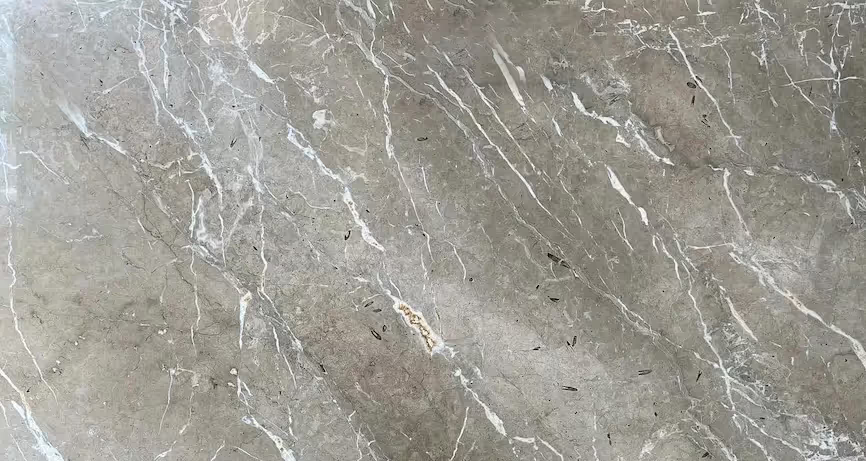
Marble Grigio Minola Technical Details
Grigio Minola marble slabs are sourced from Italy and offer a beautiful taupe background with rich and bold white veins.

Water resistant

Easy to Clean

Eco Friendly

Hygienic
Why Choose Marble Worktops?
Selecting the right worktop involves considering the features that matter most to you. Once you’ve identified your needs, choosing the right type of marble is key.
For kitchens, wenge or buff-coloured marble complements various styles, from traditional to contemporary. These shades blend well with most designs, adding a touch of sophistication.
In bathrooms, lighter, more neutral-toned marble works best, creating a seamless and elegant aesthetic. However, if you prefer bolder colours, marble is still a great option, as it is available in a wide range of shades to suit any interior.
How to maintain a marble worktop?
Marble, like all natural stones, requires proper care to retain its beauty. Fortunately, maintaining it is relatively simple. Here’s how to keep your marble worktops in top condition:
1. Remove Tough Stains
If stains appear, avoid harsh scrubbing. Instead, use a nylon-blend scrubbing pad with an S-shaped blade, applying gentle pressure to prevent scratches. After treating the stain, clean the surface with mild detergent and water, then dry it with a soft cloth.
2. Keep It Clean
Marble is naturally porous and can absorb bacteria, particularly in kitchen settings. Clean it regularly with a mild detergent and water solution to prevent contamination and maintain hygiene.
3. Seal the Surface
Sealing marble worktops helps protect against stains, scratches, and moisture. Choose a transparent, low- or no-odour sealant for the best results. This barrier keeps contaminants out while preserving the stone’s natural beauty.
4. Check for Damage
Regularly inspect your worktops for any signs of damage, especially in high-use areas like kitchens. Promptly addressing any issues ensures the longevity of your marble surfaces.
By following these simple maintenance steps, your marble worktops will stay in excellent condition for years to come.
What Can Marble Worktops Be Used For?
Marble worktops are versatile and can serve multiple purposes. They provide a durable and elegant surface for food preparation, an easy-to-clean area for serving drinks, a stylish edge for seating areas, or a decorative focal point in kitchens and bathrooms.
With an average lifespan of around 10 years, marble worktops are highly durable, and with proper care, they can maintain their beauty for many years. Their natural resistance to scratches makes them one of the most resilient options available.
While marble looks stunning in kitchens, it is prone to staining if not sealed properly. However, in bathrooms, it performs exceptionally well due to its durability and luxurious appearance.
Is vinegar safe on marble?
No, vinegar is highly acidic and will etch marble surfaces.
Can I use baking soda?
Yes, but only on light marble and in small amounts. Avoid for dark marble.
What cleaner is best?
Use a pH-neutral cleaner made for natural stone. Avoid anything acidic or alkaline.
How often should I reseal?
Every 3–6 months depending on usage. Some sealers may last up to a y
What’s the best way to make marble shine?
Use a chamois cloth after cleaning, or a light commercial polish — always test first.
Daily Cleaning
- Marble is easy to clean — as long as you clean spills promptly.
- For everyday cleaning, use:
- Warm, distilled water
- A soft microfiber cloth
- A pH-neutral stone cleaner (e.g. Fila Brio or Fila Cleaner Pro)
- Avoid scrubbing – use gentle circular motions.
- Always dry the surface completely after cleaning to prevent dullness from water absorption.
Stain Removal
- Act fast: Blot spills immediately (don’t wipe — it spreads the stain).
- For light stains:
- Use a paste of baking soda and water (safe for light marble only).
- Leave for no more than 24 hours, then rinse and dry.
- For persistent or oily stains:
- Use a marble-specific poultice or stain remover.
- Avoid hydrogen peroxide and baking soda on dark marble, as they may cause discoloration.
Sealing & Protection
- Marble is porous and needs sealing to resist staining.
- Your worktops come pre-sealed — first reseal after:
- 3–6 months for high-use kitchens
- 12 months for occasional-use surfaces
- Use a high-quality marble sealer, applied according to the product instructions.
- Avoid over-sealing — too much can leave a sticky residue or cloud the finish.
Things to do
- Blot spills immediately – especially acidic substances like wine, fruit juice, vinegar, coffee, and tomato sauce.
- Use pH-neutral cleaners – no harsh chemicals.
- Use coasters under drinks and bottles.
- Use trivets or heat pads under hot pans and appliances.
- Use trays or mats under oils, cosmetics, or soaps.
- Use a cutting board – never cut directly on marble.
- Dry surfaces thoroughly after cleaning.
Things to avoid
- Don’t use acidic cleaners – avoid vinegar, lemon juice, bleach, or bathroom sprays.
- Don’t use rough sponges or abrasive pads – they scratch the surface.
- Don’t let water or liquids sit – marble absorbs moisture and may dull or stain.
- Don’t use wax on white marble – it may cause yellowing or uneven patches.
- Don’t seal too often – over-sealing creates buildup and can trap dirt.
- Don’t stand or sit on worktops – marble isn’t flexible and can crack under pressure.
Polishing & Long-Term Shine
To restore a light polish:
- Clean the surface, dry it fully.
- Use a clean, soft chamois to buff in gentle circular motions.
For deeper polish:
- Use a commercial marble polish, but test first on a hidden area.
- Avoid over-polishing with waxes — this may create buildup or change colour.

