

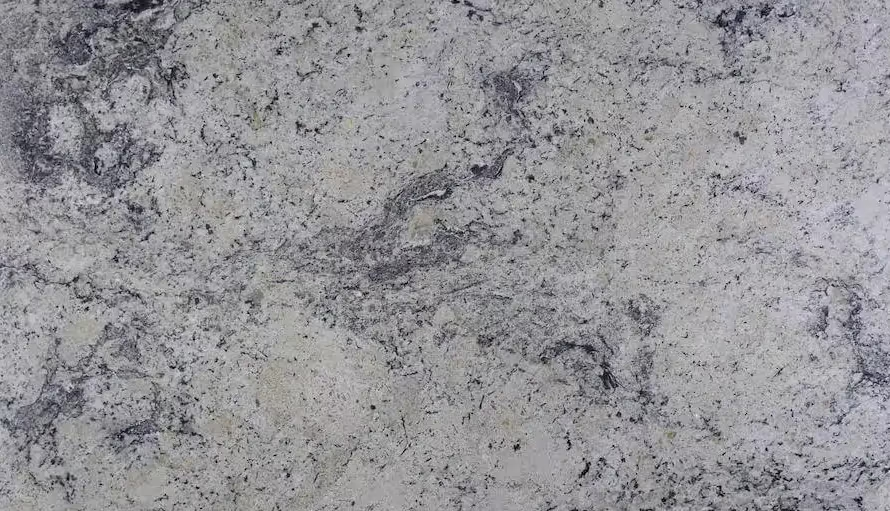
Granite White Mist Technical Details
White Mist granite slabs have an interesting palette of off-white, grey, beige, and small touches of black. They are a superb choice for the home or a commercial project.

UV
Resistant

Easy to Clean

Eco Friendly

Hygienic
Can granite be used outdoors?
Yes, granite is suitable for outdoor use due to its resistance to weathering and UV.
Are granite worktops eco-friendly?
Granite is a natural material, and its environmental impact depends on quarrying practices. Choosing a supplier that follows sustainable methods can minimise its footprint.
How long do granite worktops last?
With proper care, granite worktops can last for decades, often outliving the kitchen units they are installed on.
Installation and Cost
Granite worktops require professional installation due to their weight and the precision needed for cutting and fitting. The cost varies depending on the type of granite, the complexity of the installation, and the size of your project.
Is granite heat-resistant?
Yes, granite can withstand high temperatures. However, using trivets is recommended to protect the sealant.
Granite workops are not as heat resistant as other stone surfaces.
Can granite worktops crack?
While granite is highly durable, extreme impacts or improper installation can cause cracks. Proper support and care are essential.
Design Ideas for Granite Worktops
Granite’s versatility makes it suitable for a wide range of kitchen styles:
- Modern: Pair cool grey granite with white cabinets and stainless steel appliances for a sleek, contemporary look.
- Classic: Combine black granite with white shaker cabinets and wooden floors for a timeless design.
- Warm and Inviting: Use warm white granite with off-white cabinets for a cosy, relaxed feel.
- Country Style: Opt for neutral tones, shaker cabinets, and white granite with gold accents for a modern farmhouse aesthetic.
Granite vs. Other Materials
Granite vs. Marble
- Durability: Granite is harder and more resistant to scratches and stains than marble.
- Maintenance: Marble is more porous and prone to staining, especially from acidic substances like wine or lemon juice. Granite, when sealed, is more resilient.
- Appearance: Marble features soft veining, while granite has a speckled or freckled appearance.
- Applications: Granite is ideal for high-traffic areas like kitchens, while marble is better suited for low-traffic spaces like bathrooms.
Granite vs. Quartz
- Composition: Granite is a natural stone, while quartz is engineered from natural quartz minerals and resins.
- Maintenance: Quartz is non-porous and requires no sealing, whereas granite needs periodic sealing.
- Heat Resistance: Granite is more heat-resistant, making it better suited for placing hot pans directly on the surface.
- Aesthetics: Granite offers unique natural patterns, while quartz provides a more uniform appearance.
Why Choose Granite Worktops?
Granite worktops are a popular choice for several reasons:
- Durability: Granite is one of the hardest natural stones, resistant to scratches, heat, and stains. With proper care, it can last a lifetime.
- Aesthetic Appeal: Its natural beauty and unique patterns add a touch of elegance to any space.
- Eco-Friendly: Granite is a sustainable material, requiring no additional resources to create. It’s also free from harmful chemicals and toxins.
- Value Addition: Granite worktops can enhance the value of your home, with kitchen renovations potentially increasing property value by up to 5.5%.
What is Granite?
Granite is a natural igneous rock formed deep within the Earth’s crust from the slow cooling and solidification of magma. Composed primarily of quartz, feldspar, and mica, granite is renowned for its strength, heat resistance, and unique aesthetic. Each slab of granite is one-of-a-kind, with variations in colour and pattern due to its mineral composition.
Granite is often referred to as a “full-bodied” material, meaning its patterns run throughout the slab and are visible at the edges. This distinguishes it from materials like porcelain or ceramic, which have surface-only designs.
How often should granite worktops be resealed?
Granite should be sealed every 1-3 years to maintain its stain resistance.
Daily Cleaning
Use LTP Stonewash for routine cleaning.
Use a soft cloth or sponge with warm water for quick clean-ups.
Avoid dish soaps for regular cleaning – they cause build-up and dull the surface.
Don’t use generic household cleaners (bleach, glass cleaners, de-greasers).
Don’t use vinegar, lemon, orange, ammonia – they break down the sealer
Stain & Mark Removal
- For stubborn marks, use LTP Grimex (you may need to re-seal treated areas).
- For deeper stains, use:
- LTP Stain Remover
- LTP Fullers Earth
- Be patient – multiple applications may be necessary.
- After stain removal, immediate re-sealing is required.
Sealing & Maintenance
- Granite worktops are factory-sealed. Your first re-seal should be:
- Every 6 months for light colours
- Every 12 months for dark colours
- Use LTP MPG Sealer for polished surfaces.
- A Home Care Kit (neutral detergent, sealer, polish) is available from us.
- Granite worktops are factory-sealed. Your first re-seal should be:
Granite Do's
- Blot up spills immediately (especially wine, juice, sauces, oils).
- Clean with sponge/soft cloth & stone-specific cleaners.
- Use coasters under glasses, cans, bottles.
- Use trivets & hot pads under hot pans.
- Use cutting boards – protect stone & your knives.
- Rinse and dry surfaces in circular motions with a lint-free cloth.
Things to avoid
- ❌ Don’t use harsh household cleaners – they degrade the sealer.
- ❌ Don’t use vinegar, citrus, ammonia-based products.
- ❌ Don’t use scouring pads, steel wool, or abrasive materials.
- ❌ Don’t sit or stand on the countertop – risk of cracks.
- ❌ Don’t place heavy items around sink or hob area.
- ❌ Don’t store liquids, perfumes, oils directly on the surface – they may leak or stain.
Heat, Cuts & Scratches
- While granite is tough, it can crack from thermal shock – always use trivets.
- Surface scratches/pitting can occur, especially in high-use areas.
- Most chips & scratches can be professionally repaired.
Long-Term Care
- Avoid surface build-up (e.g. detergent powders, mineral deposits).
- Acidic foods like citrus juice, vinegars, cola may etch the surface.
- Strongly coloured foods like beetroot, blackcurrant may stain.
- Clean regularly using neutral soap or dedicated stone cleaner.
- Polish dry with soft cloth or use Second Nature E-Cloth system for streak-free finish.
- Your granite will naturally weather and mellow with time – this is normal and adds to its character.

